Keep Waking Up At 3AM At The Moment? This May Be Why
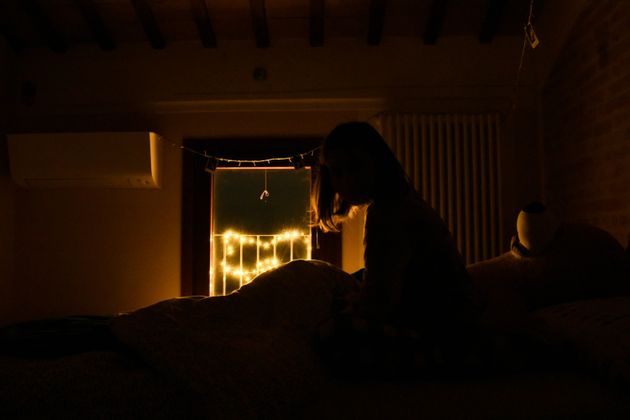
<div><img src="https://img.huffingtonpost.com/asset/679390f11a000019009f086d.jpg?ops=scalefit_630_noupscale" alt="Young woman awake in a dark room" data-caption="Young woman awake in a dark room" data-credit-link-back="" data-credit="greta Bartolini" />Young woman awake in a dark room</div><div class="content-list-component text"><p>It’s normal to technically “<a href="https://www.huffingtonpost.co.uk/entry/waking-up-at-night-by-age_uk_678e798de4b099ed401cc8ac?6c">wake up</a>” as many as 20 times a night ― but you shouldn’t notice, or remember, most of those mini-rises. </p><p>If you find yourself getting up <a href="https://www.huffingtonpost.co.uk/entry/waking-up-at-night-by-age_uk_678e798de4b099ed401cc8ac?6c">more than once</a> in the middle of the night, especially if you struggle to get back to sleep, you might have learned to hate that early-morning jolt.</p><p>But if you’ve noticed they’ve become more common over the past few weeks and that your overall sleep quality has tanked in the colder months, you may not be alone. </p><p>You might just be showing signs of something called “winter insomnia” (oh, good).</p><h2><strong>What’s winter insomnia?</strong></h2><p>It’s a bit like the sleep equivalent of <a href="https://www.huffingtonpost.co.uk/entry/sad-vs-depression-signs-sleep_uk_66f68db0e4b0632d68f67dfe">seasonal affective disorder</a>, which, by the way, <a href="https://pubmed.ncbi.nlm.nih.gov/8064650/" target="_blank" rel="noopener noreferrer">also affects your sleep</a>. </p><p>It’s a seasonal disruption to your sleep routine that can be severe enough to regularly interfere with your day-to-day life.</p><p>Speaking to Bustle, <a href="https://bsky.app/profi
Read original
Huffington Post